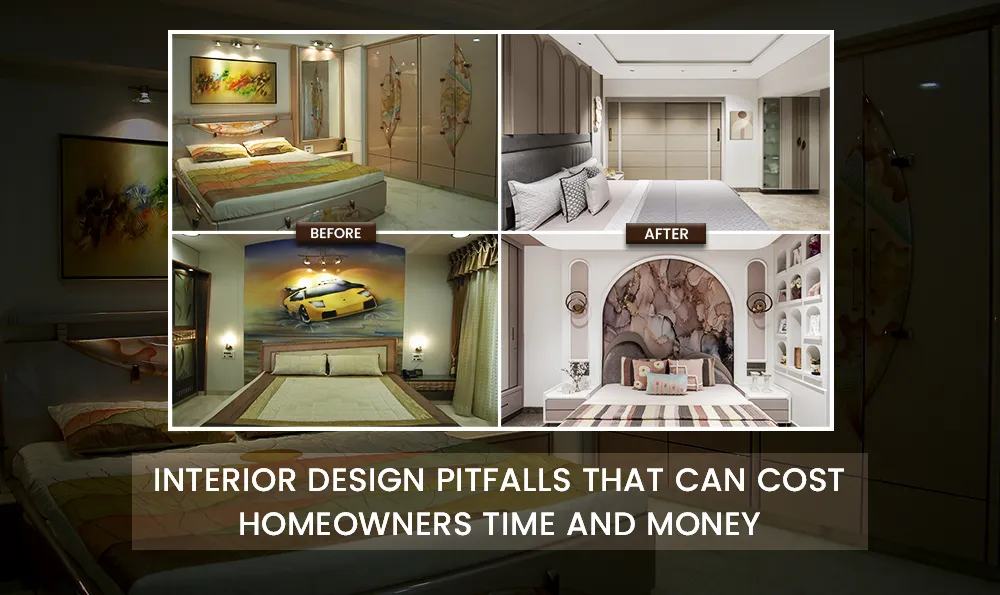
Have you ever walked into a beautifully designed home and wondered why yours does not feel the same, despite spending just as much? The answer is rarely the budget. It almost always comes down to planning. Many homeowners invest significantly in their interiors only to end up with spaces that feel impractical, cramped, or outdated far too soon. These outcomes are the result of avoidable interior design pitfalls that surface when decisions are rushed or made without professional input. At Goldmine Project Consultants, we have seen these patterns repeat across decades of residential projects. This article breaks down the most common mistakes and how to avoid them before they cost you.
Most residential interior design mistakes do not happen because homeowner+s do not care. This occurs because too much emphasis is placed on the way a space will look, rather than its function. Social media and trends cause a lot of design decisions to be made based on inspiration, rather than planning. Lifestyle needs are also overlooked in the process. Budget cuts taken to save money result in inferior material choices or insufficient planning, which can end up costing much more to rectify than it would have taken to get it right the first time.
Home design mistakes to avoid extend far beyond aesthetics. Design blunders result in unplanned renovation expenses, daily aggravations, and spaces that just don’t function. Lack of storage, poor design, and incorrect materials all contribute to a less-than-comfortable living environment. Blunders can also contribute to a reduction in the overall value of your home. The emotional toll is equally real. Living in a space that does not feel right quietly drains your sense of comfort and belonging far more than most people expect.
Designing for social media rather than real life is one of the most common interior design errors. Trendy layouts look stunning in photographs but often fail in daily use. Styles that feel current today become dated quickly, and the lack of storage and comfort that comes with trend-driven choices reveals itself fast. Good design should always outlast the trend that inspired it.
Furniture placed without considering the natural room flow is one of the most common mistakes in home decoration. Rooms feel cramped, not because of size but because of layout. Blocked pathways and missing functional zones make a home harder to live in than it should be. Space planning must always come before furniture shopping. Our article on interior design for small living rooms provides useful tips on how to make the most out of every square foot of your living room.
Choosing colors from a catalog or magazine without testing them in your home is probably the most common home styling mistake. Colors change dramatically depending on the light. Dark tones in compact rooms feel oppressive. Mismatched palettes across connected spaces create visual disharmony that is hard to overlook. Always test on your actual walls at different times of day. Check out the blog on the psychology of colours in interior design, which explains how colour affects mood and perception in detail.
Single overhead lighting is one of the most consistently mishandled aspects of home design. Rooms end up too bright, too dull, or poorly lit in the areas that matter most. Task lighting in kitchens, reading corners, and vanity spaces is frequently missing. Decorative lighting is added as an afterthought rather than as part of a cohesive plan. A layered lighting approach combining ambient, task, and accent sources transforms how a space feels. Read more in the blog on natural vs artificial lighting.
Minimalism without practicality creates clutter almost immediately. When storage is not planned from the beginning, everyday items have nowhere to go. Furniture gets chosen for looks alone, without considering dual-purpose potential. Smart storage planning is one of the most impactful interior design tips for homeowners and one of the easiest to overlook early in the process.
Delicate materials in high-traffic areas, non-durable finishes, and surfaces that are difficult to maintain are costly choices that quickly become apparent. Climate suitability is equally important. Materials that perform well in dry conditions may deteriorate in humid environments like Mumbai. Every decision in the material selection process must consider the design goal and the functionality requirements of the space.
Interior design is not just about the furniture and the décor, and this is one of the biggest mistakes people make in interior design. Poor integration of electrical points, plumbing, HVAC, and lighting infrastructure creates compromises that are expensive and disruptive to reverse once construction is complete.
A house built only with the current needs of the family in mind and without thinking of the future could require renovation in the not-too-distant future. The needs of a growing family, the requirement of working from home, accessibility features for elderly members of the family, and more are important aspects to think of at the outset. Designs that cannot be adapted to changing inhabitants have a much shorter lifespan than they might have.
Strong interior design advice for homes starts before the first purchase. Begin with a realistic budget and define how each room will be used. Choose timeless designs over short-lived trends. Balance aesthetics with genuine comfort and think maintenance-friendly when selecting finishes. MEP, HVAC, and lighting infrastructure should be planned early on, as this is a much costlier decision to make later on in the construction process.
Experienced designers will assist in better space optimization, budgeting, and the use of the right material and color schemes in the projects. Structural errors are avoided in the planning stages rather than in the middle of construction. Long-term functional planning ensures your home works beautifully for years ahead. If you are ready to get your project right from the start, contact Goldmine Project Consultants today.
Every interior design pitfall in this guide is avoidable with the right knowledge and professional support. Beautiful interiors result from thoughtful decisions made at the right time, not just from a generous budget. Whether you are designing a new home or reworking an existing space, getting these fundamentals right saves time, money, and lasting frustration. Goldmine Project Consultants brings over three decades of expertise to every residential project, ensuring your home is designed to function beautifully and stand the test of time.
Founder and Principal Designer of Goldmine Project Consultant, established the firm in 1989 with a vision to “Think Beyond and Out of the Box.” With 34+ years of experience, he leads innovative, well-planned projects across Residential, Corporate, Healthcare, and Hospitality sectors, redefining Interior and Architectural excellence.
Error: Contact form not found.